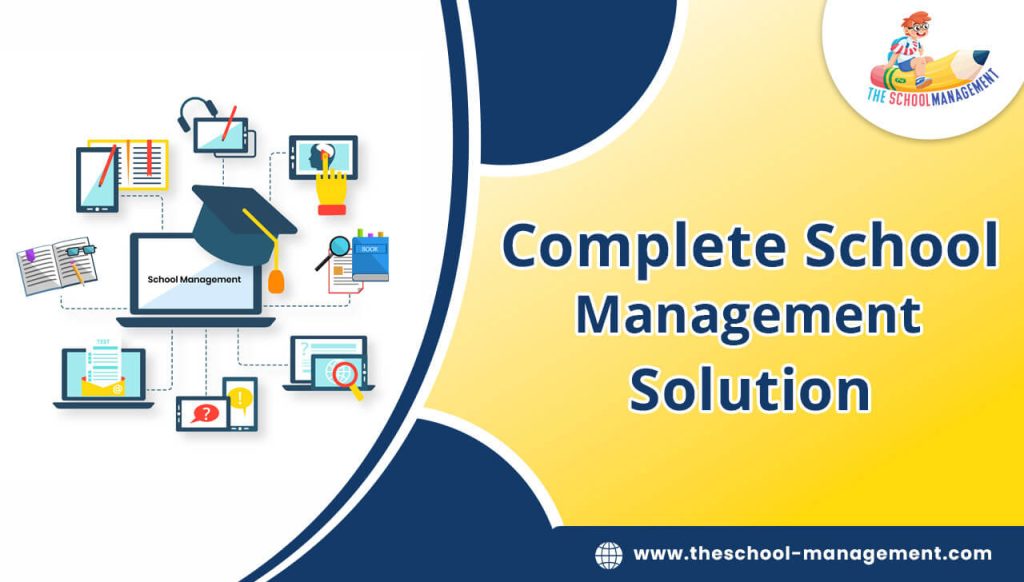
Managing a school involves much more than teaching students. From maintaining attendance records and collecting fees to managing examinations, timetables, staff, and parent communication, school administrators handle numerous responsibilities every day.
Traditionally, schools have relied on registers, spreadsheets, paperwork, and separate systems to manage these activities. However, handling everything manually can lead to errors, delays, misplaced records, and unnecessary administrative work.
A complete school management solution brings these activities together in one centralized platform. It helps schools automate routine tasks, organize academic information, improve communication, and manage daily operations more efficiently.
Whether you manage a small school, a large educational institution, or multiple branches, choosing the right school management software can make administration easier and create a better learning environment.
In this guide, we will explore what school management software is, its essential features, its benefits, and how schools can choose the right solution.
What Is a School Management System?
A school management system is a digital platform designed to simplify and automate the administrative and academic activities of educational institutions.
Instead of maintaining separate registers and spreadsheets, schools can use one centralized system to manage student information, attendance, fees, examinations, staff records, timetables, library activities, and other essential operations.
A school management system connects administrators, teachers, students, and parents through organized digital workflows.
For example, administrators can manage student admissions and fee records, teachers can update attendance and examination results, and parents can stay informed about their children’s academic progress.
The main objectives of school management software are to reduce manual work, improve record management, and help educational institutions operate more efficiently.
8 Essential Features of a Complete School Management Solution
A good school management solution should cover the major activities involved in running an educational institution. Here are eight important features that schools should consider.
1. Student and Staff Attendance Management
Maintaining accurate attendance records is an important responsibility for every school. Managing attendance manually can consume valuable time, particularly when an institution has hundreds or thousands of students.
A school management system simplifies attendance tracking by allowing teachers and authorized staff to record student attendance digitally.
Important capabilities include:
- Recording daily student attendance.
- Managing staff attendance records.
- Tracking present, absent, and late students.
- Generating attendance reports.
- Maintaining historical attendance information.
Digital attendance management helps schools maintain organized records and identify attendance patterns more easily.
2. Parent Communication and Student Monitoring
Communication between schools and parents plays an important role in student development.
A school management solution helps institutions share important academic and administrative information with parents through digital communication channels.
Depending on the available features, parents can access:
- Student attendance information.
- Examination results and report cards.
- Homework and assignments.
- Class timetables.
- School announcements and notifications.
- Fee details and payment information.
This improves transparency and helps parents stay informed about their children’s educational progress without repeatedly visiting the school.
3. Timetable and Class Scheduling Management
Creating and managing school timetables can be challenging, especially when multiple classes, teachers, and subjects are involved.
A school management system helps administrators organize class schedules and manage academic activities more efficiently.
It can help schools:
- Create class-wise timetables.
- Organize subject schedules.
- Assign teachers to different classes.
- Manage classroom schedules.
- Share timetable information with students and teachers.
A properly organized timetable reduces scheduling confusion and helps schools maintain a structured academic routine.
4. Student Fee and Account Management
Managing school fees is another important administrative responsibility. Manual fee calculations, receipts, and payment records can create confusion and increase the chances of errors.
School fee management software helps administrators maintain financial records in an organized manner.
Key functions include:
- Managing student fee structures.
- Recording fee payments.
- Generating fee receipts and invoices.
- Tracking pending and overdue payments.
- Maintaining payment histories.
- Monitoring collected and outstanding fees.
These capabilities make financial administration more organized and help schools maintain accurate payment records.
5. Study Material and Learning Management
Providing students with learning resources is essential for supporting their academic development.
A school management system with e-learning capabilities allows institutions to share educational materials digitally.
Teachers can provide:
- Subject-wise study materials.
- PDF documents and notes.
- Recorded video lessons.
- Educational links and resources.
- Homework and assignments.
Students can access these resources through the available student portal or application, making learning materials easier to access outside the classroom.
6. Online Classes and Digital Learning
Digital learning has become an important part of modern education. Schools need tools that help teachers share learning resources and support students beyond traditional classroom teaching.
A school management solution with online learning capabilities can help institutions organize digital education activities.
Depending on the platform’s integrations, schools can provide recorded lessons, educational videos, digital documents, and online learning resources.
This gives students additional learning opportunities and helps institutions support different learning requirements.
7. Examination and Result Management
Examination management involves several activities, including scheduling examinations, managing marks, preparing report cards, and sharing results with parents.
A school management system helps simplify these activities through digital record management.
Important functions include:
- Examination scheduling.
- Subject-wise marks management.
- Student result preparation.
- Report card generation.
- Academic performance tracking.
- Result sharing with students and parents.
Digital examination management reduces repetitive paperwork and helps schools maintain organized academic records.
8. Student Records and Administrative Management
Schools maintain a large amount of student information throughout the academic year. Managing these records manually can become difficult as the institution grows.
A centralized school management system helps maintain important information, including:
- Student admission details.
- Personal and contact information.
- Class and section information.
- Health and emergency records.
- Hostel information, where applicable.
- Student identification details.
- Academic history.
Having organized student records allows authorized staff to retrieve important information more easily and reduces dependence on physical registers.
Importance of School Management Solution
Implementing school management software offers several advantages beyond simply replacing paperwork.
1. Reduces Administrative Work
Automating repetitive activities such as attendance recording, fee tracking, and report preparation allows administrative staff to focus on more important responsibilities.
2. Improves Data Accuracy
Centralized digital records help reduce manual data entry mistakes and make information easier to maintain and retrieve.
3. Strengthens School-Parent Communication
Digital notifications, academic updates, and student information help schools maintain better communication with parents.
4. Saves Time and Resources
Schools can reduce paperwork, minimize repetitive administrative activities, and improve the use of available resources.
5. Supports Better Decision-Making
Organized reports and academic records help school administrators understand attendance, student performance, fee collection, and other operational activities.
6. Creates a More Organized Learning Environment
When administrative activities are managed efficiently, teachers and school staff can dedicate more time to supporting students and improving educational outcomes.
What Should You Look for When Choosing School Management Software?
Not every school management system offers the same features. Before selecting a solution, educational institutions should evaluate their requirements carefully.
Consider the following factors:
- Essential features: Check whether the software covers attendance, admissions, fees, examinations, timetables, and student records.
- Ease of use: The platform should be easy for administrators, teachers, students, and parents to understand.
- Mobile accessibility: Check whether students and parents can access important information through a mobile application.
- Communication tools: Look for notification and messaging capabilities.
- Integration support: Check available payment gateways, SMS providers, and e-learning integrations.
- Data security: Ensure that appropriate access controls and data protection measures are available.
- Scalability: Choose software that can support your institution as its requirements grow.
- Technical support: Check the availability of documentation, updates, and customer assistance.
Selecting software based on your institution’s actual requirements can help you get better long-term value.
TheSchool Management Software: A Complete Solution for Educational Institutions
If you are looking for a WordPress-based solution to manage your institution’s daily activities, TheSchool Management Software by Weblizar is worth exploring.
It provides educational institutions with tools to manage important school operations through a centralized platform.
Some of the available capabilities include:
1. Student Management: Organize student information, admissions, profiles, and academic records.
2. Attendance Management: Maintain student and staff attendance records.
3. Fee Management: Manage fee structures, payment records, invoices, and receipts.
4. Examination Management: Organize examinations, marks, and student results.
5. Timetable Management: Manage class schedules and academic activities.
6. E-Learning Management: Share subject-wise video lessons and educational documents, including PDF and image files, along with supported YouTube video resources.
7. Payment Gateway Integration: Supports payment options such as PayPal, Stripe, Razorpay, Paytm, Paystack, Pesapal, bank transfers, and UPI, subject to the configured integrations.
8. SMS Integration: Supports multiple SMS service providers for school communication and notifications.
9. Android Mobile Application: Provides mobile access to supported school management activities. Students and parents can access information such as homework, study materials, attendance, timetables, examination results, fee invoices, notifications, and other student-related details.
With these capabilities, TheSchool helps institutions organize administrative activities and manage important school information digitally.
Explore the software: TheSchool Management Software by Weblizar
View Features: Explore School Management Software Features
Check Pricing: View Available Plans and Pricing
Conclusion: Why Every School Needs a Complete School Management Solution
Managing an educational institution manually can become increasingly difficult as student enrollment and administrative responsibilities grow.
A complete school management solution helps schools move beyond traditional paperwork by bringing important academic and administrative activities into one digital platform.
From attendance and fee management to examinations, timetables, student records, and parent communication, the right software can simplify daily operations and improve overall efficiency.
If your institution is planning to digitize its administrative activities, consider exploring TheSchool Management Software by Weblizar to understand how a centralized school management platform can support your requirements.
Explore School Management WordPress Plugin and take the next step toward more organized school administration.
Frequently Asked Questions (FAQs)
1. What is a complete school management solution?
A complete school management solution is software that helps educational institutions manage administrative and academic activities such as student admissions, attendance, fees, examinations, timetables, staff records, and parent communication through a centralized platform.
2. What are the main features of school management software?
The main features generally include student management, attendance tracking, fee management, examination management, timetable scheduling, report generation, parent communication, and student record management.
3. How does school management software benefit teachers?
School management software helps teachers record attendance, manage timetables, share study materials, update examination results, and communicate important academic information. It reduces repetitive administrative work and allows teachers to focus more on teaching.
4. Can parents access school management software?
Yes. Many school management systems provide parent portals or mobile applications through which parents can view attendance, examination results, homework, fee details, timetables, and school notifications.
5. Is school management software suitable for small schools?
Yes. School management software can benefit small, medium, and large educational institutions. Small schools can use it to organize administrative activities, reduce paperwork, and maintain student records as their institutions grow.
6. What is the difference between a school management system and a school ERP?
A school management system generally focuses on managing academic and administrative activities such as attendance, fees, examinations, and student records. A school ERP may provide a broader set of integrated modules covering additional institutional operations, resources, and reporting.
7. How to choose school management software?
Consider your school’s size, required features, budget, ease of use, mobile accessibility, integration options, security, and technical support. Comparing these factors will help you select a solution that meets your institution’s requirements.